A Beginner’s Guide to Building a World Music Library
Building a world music library is less about acquiring as many recordings as possible and more about developing a listening practice that connects sound to place, history, and community. For a new listener, the sheer breadth of global traditions can feel overwhelming, but a structured approach turns that scale into an advantage. Instead of sampling randomly, a collector can move region by region, learning the instruments, languages, and social contexts that shape each recording.
This guide outlines a practical framework for collecting global music thoughtfully. It covers how to choose regions to explore, why record labels and reissue catalogs matter, which formats make sense at different budget levels, and how to organize a growing library so it remains useful rather than chaotic. The emphasis throughout is on process and context: understanding what you are hearing, where it comes from, and how it reached the listener, rather than chasing volume or rarity.
Because access to global recordings varies widely by region and platform, the suggestions below are conditional rather than prescriptive. Availability, licensing, and pricing differ over time, and what works for one listener may not suit another. Treat these steps as a flexible starting point that can be adapted to individual interests and local market conditions.
Start With a Regional Map, Not a Shopping List
The most common mistake among new collectors is buying widely before listening deeply. A more sustainable method is to choose two or three regions and commit to them for several months. This allows patterns to emerge: recurring rhythms, shared instruments across borders, and the historical events that shaped musical exchange. A regional focus also makes it easier to recognize when a recording is a genuine representative document and when it is a novelty export aimed at outside audiences.
When selecting a first region, consider what already draws your attention rather than what appears most often in best-of lists. If you are moved by string instruments, exploring West African kora traditions or Andalusian guitar lineages may provide a natural entry point. If rhythm and percussion are your interest, the many ensemble traditions of West and Central Africa, Brazil, or the Indian subcontinent offer rich starting points. Interest-driven entry tends to sustain attention longer than obligation-driven entry.
Within each region, aim to distribute your listening across three broad categories:
- Recordings of rural or community-based traditions, often documented by field recordists and ethnographic archives.
- Urban popular styles that emerged from migration, radio, and recording industries, such as highlife, mbalax, cumbia, or raï.
- Contemporary artists who work across tradition and modern production, which helps connect historical material to the present.
Balancing these categories prevents a library from becoming a museum of the past or a purely contemporary playlist. It also develops the comparative ear that makes deeper listening rewarding. Over time, a regional map helps you notice gaps, such as a missing era, language, or instrument family, and fill them with intention rather than impulse.
Understand the Role of Labels and Reissue Catalogs
Labels function as curatorial filters, and for beginners they can serve as a reliable compass through unfamiliar territory. Some imprints specialize in documenting specific regions or eras, while others focus on licensing and restoring archival recordings for wider release. Knowing a label’s editorial approach helps you predict whether a release is a scholarly document, a dance-floor compilation, or a contemporary studio production. This context is often more useful than a single review.
Reissue catalogs deserve particular attention because they make older recordings accessible in carefully restored form. Historically, many important global recordings were released only in small local editions and later became difficult to obtain. Reissue projects, often led by specialist labels, restore these works with improved audio, translated liner notes, and contextual essays. For a new collector, following a few reissue labels with clear sourcing practices can provide a structured education in a region’s recorded history.
Liner notes, photographs, and translation credits often reveal more about a recording’s origins than the track listing alone. Reading them is part of the listening.
It is worth noting how a label’s sourcing and licensing choices affect what listeners can hear. Some projects work directly with artists or estates, while others rely on archival partnerships. These arrangements can change over time, and availability may shift as licenses expire. A collector who understands this landscape is better equipped to interpret gaps in catalogs and to appreciate why certain recordings appear and disappear from streaming platforms or store shelves. Programs such as those curated by Kora Radio can also serve as orientation tools, introducing regional styles and helping listeners connect names to traditions before committing to purchases.
Choose Formats That Match Your Budget and Habits
Format decisions are practical rather than ideological. Each medium carries different costs, storage requirements, and listening behaviors, and the right mix depends on how and where you listen. Streaming offers broad access for exploration, but catalogs are uneven and licensing can remove titles without notice. Physical formats provide a sense of permanence and often include documentation that digital files lack, though they require space and care.
A workable approach for many beginners is to stream widely and buy selectively. Streaming serves discovery, while physical purchases anchor the recordings you return to and want to study closely. The following considerations can help clarify which formats fit which goals:
- Compact discs remain a cost-effective way to obtain reissues with extensive liner notes, especially for out-of-print or niche titles.
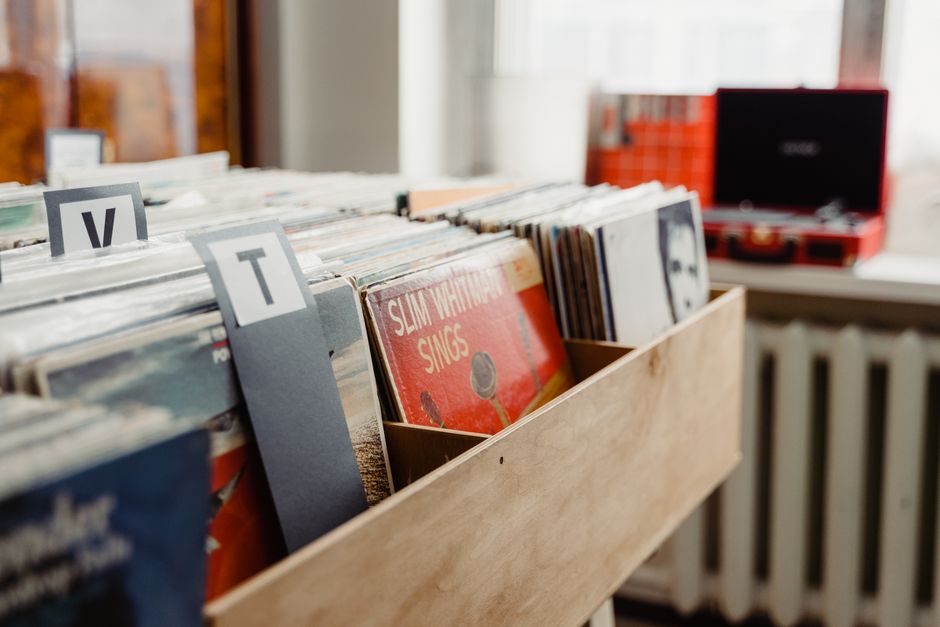
- Vinyl supports attentive listening and often carries original artwork, but pressings of global recordings vary in quality and can be expensive after reissue.
- Digital downloads and Bandcamp-style direct purchases can support artists more directly and are easy to back up.
- Cassette and regional formats may be the only available source for certain scenes, though playback equipment and durability require planning.
Cost management is part of collecting practice. Setting a monthly budget, prioritizing one or two significant releases over several impulse buys, and using wish lists to delay decisions all help sustain a library over years rather than weeks. Regional availability also matters: some recordings are easier to find through local distributors or specialist importers than through large retailers, and shipping costs can vary considerably. Checking multiple sources before purchasing is a reasonable habit that supports both budget and diligence.
Listen With Context: Language, Instruments, and Credits
Context transforms a pleasant sound into a meaningful document. Before or after a first listen, spend a few minutes identifying the language of the vocals, the instruments present, and the roles credited in the liner notes. This small habit builds a mental index that connects recordings across regions. A listener who recognizes the timbre of a kora, an oud, or a mbira will begin to hear relationships and differences that were previously invisible.
Credit literacy also matters ethically. Recordings often involve composers, arrangers, session musicians, and engineers whose contributions are not obvious from the artist name on the cover. Reading credits and understanding who benefited from a release is part of responsible collecting. Where possible, purchasing through channels that document artist partnerships or fair licensing supports a more transparent ecosystem. This does not require exhaustive research for every album, but over time it shapes a more informed relationship with the music.
Keeping simple notes is another low-cost practice with high returns. A short entry recording the region, year, performers, and one observation about the sound creates a personal reference that grows more valuable as the library expands. Notes also help prevent duplicate purchases and reveal which areas of the collection are thin. For listeners who prefer digital tools, a spreadsheet or tagging system can serve the same purpose. The goal is not archival perfection but a usable memory aid that supports continued exploration.
Organize, Revisit, and Let the Library Grow Slowly
Organization is what turns a pile of recordings into a library. A simple scheme by region, then by era, then by artist is usually sufficient for beginners and can be adjusted later. The important thing is consistency, so that adding a new title takes seconds rather than minutes. Physical collections benefit from basic care such as vertical storage, stable temperatures, and protection from direct sunlight, while digital collections benefit from regular backups and clear folder structures.
Revisiting is as important as acquiring. A recording heard once rarely reveals its structure, but a second or third listen across different moods and settings often does. Scheduling periodic revisits, perhaps one region per month, allows earlier purchases to yield more than they did on first encounter. This practice also tests whether an acquisition was worthwhile, which gradually sharpens judgment about future purchases.
Finally, allow the library to grow at a pace that matches your listening. Collections built slowly tend to reflect genuine curiosity, and they remain navigable as they expand. Whether the next step is a deeper dive into one region, an exploration of a neighboring tradition, or simply a return to a favorite recording, the process is the point. With a regional map, attention to labels and reissues, sensible format choices, and a habit of contextual listening, a world music library can develop into a lasting and continually useful resource.