How Highlife Guitar Shaped West African Dance Floors
Highlife guitar is a style of playing that emerged from the coastal cities of Ghana and spread across West Africa, leaving a lasting mark on how dance floors move to this day. Its story is one of adaptation, where African rhythmic sensibilities met imported instruments and created something entirely new. The guitar, originally a European import, was reimagined by local musicians who used it to replicate the polyrhythmic textures of traditional drums and the melodic flow of indigenous songs.
The evolution of highlife guitar is closely tied to the social and economic history of port cities like Accra, Cape Coast, and Sekondi-Takoradi. These urban centers were hubs of trade and cultural exchange, where sailors, traders, and migrant workers brought diverse musical influences. From the early palm-wine guitar styles to the big band highlife of the 1950s and the modern adaptations heard in clubs today, the guitar has remained a central voice in West African popular music.
This article traces that journey, highlighting key guitarists and their rhythmic innovations that shaped dance floors. It explores how technique, instrumentation, and context contributed to the guitar’s role in highlife, without making claims about specific outcomes or universal results. Instead, it offers a contextual overview of a musical tradition that continues to evolve.
Origins in Port Cities and the Palm-Wine Guitar
The roots of highlife guitar can be traced to the early twentieth century, when coastal towns in Ghana became melting pots of musical ideas. Seamen and dockworkers, exposed to European and Latin American music, brought back guitars, brass instruments, and sheet music. Local musicians absorbed these sounds and adapted them to African scales, rhythms, and performance contexts. The guitar, being portable and relatively affordable, became a favored instrument for informal gatherings and palm-wine bars.
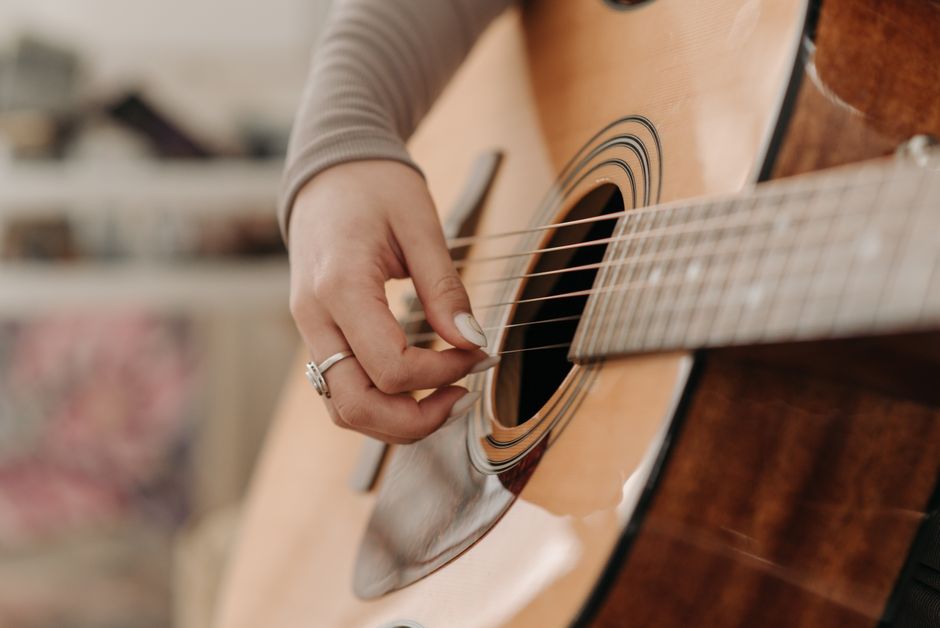
Palm-wine guitar music, named after the locally brewed beverage served in such venues, featured fingerstyle techniques that mimicked the interlocking patterns of traditional drums and the melodies of folk songs. Guitarists developed a distinctive approach: they played bass lines, chords, and melodies simultaneously, often using a two-finger or three-finger picking style. This created a dense, rhythmic texture that invited dancing even in small spaces.
Key figures from this early period include Kwame Asare, also known as Jacob Sam, whose recordings in the 1920s and 1930s popularized palm-wine guitar across the region. His playing showcased a blend of African melodies with European harmonic structures, setting a template for future highlife guitarists. Another notable figure is Koo Nimo, whose later work preserved and expanded the palm-wine tradition, emphasizing storytelling and intricate guitar work.
The port cities provided the infrastructure for this music to spread: recording studios, radio stations, and a steady audience of travelers and locals. The guitar’s role in these settings was not just entertainment but also a means of communication, conveying social commentary and personal narratives through song.
The Big Band Era and Guitar’s Evolving Role
By the 1940s and 1950s, highlife had evolved into a big band format, with horns, multiple guitars, and elaborate arrangements. The guitar’s role shifted from a solo, self-sufficient instrument to a component within a larger ensemble. It provided rhythmic foundation, countermelodies, and sometimes solos, but always in dialogue with the horns and percussion.
E.T. Mensah, known as the King of Highlife, led the Tempos, a band that epitomized this era. While Mensah was a trumpeter and bandleader, the guitarists in his band, such as the young Ebo Taylor, contributed to the rhythmic drive that made highlife danceable. The guitar often played a syncopated pattern, accenting offbeats and interacting with the conga drums and claves to create a layered groove.
During this period, highlife guitar absorbed influences from jazz, swing, and Latin music, reflecting the cosmopolitan nature of West African port cities. Guitarists experimented with chord voicings and rhythmic displacements, adding sophistication to the music. The dance floors of Accra and other cities hosted crowds moving to these intricate rhythms, where the guitar was felt as much as heard.
The big band era also saw the guitar’s integration into formal recording and broadcasting, which helped standardize certain rhythmic patterns while also allowing for individual expression. However, the guitar was rarely the sole focus; it was part of a collective sound that defined highlife’s golden age.
Key Guitarists and Their Rhythmic Innovations
Several guitarists have left an indelible mark on highlife’s rhythmic vocabulary. Their innovations often arose from a deep understanding of traditional African rhythms and a willingness to experiment with new techniques. Below are some notable figures and their contributions:
-
Ebo Taylor – Although known for his later Afrobeat and highlife fusion work, Taylor’s early guitar playing in the 1950s and 1960s introduced a sharper, more percussive attack. He often used muted strings and syncopated strumming to create a driving feel that pushed dancers to move.
-
Koo Nimo – A master of palm-wine guitar, Nimo’s fingerpicking style emphasized melodic independence and rhythmic interplay. His compositions often featured multiple guitar parts, mimicking the sound of a small ensemble on a single instrument.
-
Kwabena Nketia – Though primarily an ethnomusicologist, his research and transcriptions of traditional rhythms influenced guitarists who sought to incorporate authentic African patterns into their playing.
-
George Darko – In the 1980s, Darko pioneered burger highlife, a style that blended highlife with funk and disco. His guitar work often featured clean, chorused tones and rhythmic patterns that suited the synthesizer-driven sound of the era.
These guitarists, among others, expanded the rhythmic possibilities of highlife guitar. Their innovations were not necessarily aimed at creating specific dance outcomes but rather at exploring the instrument’s potential within the highlife idiom. The dance floor response was a byproduct of their creative explorations, shaped by audience preferences and social context.
From Local Grooves to Modern Dance Floors
The journey of highlife guitar from port city bars to modern dance floors is a story of continuous adaptation. In the 1970s and 1980s, highlife traveled with Ghanaian diaspora communities to Europe and North America, where it encountered new audiences and technologies. Guitarists incorporated electric instruments, effects pedals, and recording techniques that altered the sound and feel of the music.
Osibisa, a band formed in London by Ghanaian and Caribbean musicians, fused highlife with rock and funk, bringing guitar-driven African rhythms to international stages. Their success opened doors for other African musicians and introduced highlife guitar to listeners unfamiliar with its origins. Meanwhile, back in Ghana, artists like Daddy Lumba and Ofori Amponsah incorporated highlife guitar into more pop-oriented productions, often using programmed drums and synthesizers.
In contemporary clubs, highlife guitar can be heard in remixes, DJ sets, and live performances by bands that blend highlife with hip-hop, electronic, and other genres. The guitar’s rhythmic role remains central: it provides the syncopated pulse that invites movement. However, the context has changed; dance floors are now global, and the music is consumed in diverse settings.
Kora Radio, a platform dedicated to African music, documents and shares these evolving sounds, connecting listeners to the history and present of highlife guitar. Through curated playlists and programs, it offers a way to explore how the guitar continues to shape dance floors across West Africa and beyond.
The guitar in highlife is not just an instrument; it is a rhythmic engine that drives the dance, a voice that tells stories, and a bridge between tradition and modernity.
Technique and Cultural Context
Understanding highlife guitar requires attention to both technique and cultural context. Technically, highlife guitarists often use a fingerstyle approach, with the thumb playing bass lines and the fingers plucking melodies and chords. This allows for a self-contained sound that can stand alone or blend into an ensemble. Rhythmic patterns are typically syncopated, with accents falling on offbeats and cross-rhythms that create a sense of forward motion.
Culturally, highlife guitar is embedded in social functions such as weddings, funerals, and festivals. The music serves as a backdrop for communal activities, and the guitar’s role is to facilitate dancing and social interaction. The rhythms are designed to be inclusive, inviting people of various ages and skill levels to participate. This social dimension has been crucial to the music’s longevity and its ability to adapt to new environments.
Modern guitarists often learn through a combination of oral tradition, formal instruction, and digital resources. They may study recordings of past masters, attend workshops, or use online tutorials to develop their skills. This blending of methods reflects the dynamic nature of highlife guitar, which continues to absorb influences while maintaining its core rhythmic identity.
The dance floor, whether in a local bar or an international festival, remains a key site for experiencing highlife guitar. It is there that the interplay between guitarist and dancer becomes most apparent, with each responding to the other’s cues. This reciprocal relationship is at the heart of highlife’s enduring appeal.