Late Night Radio Shows That Still Define City Soundscapes
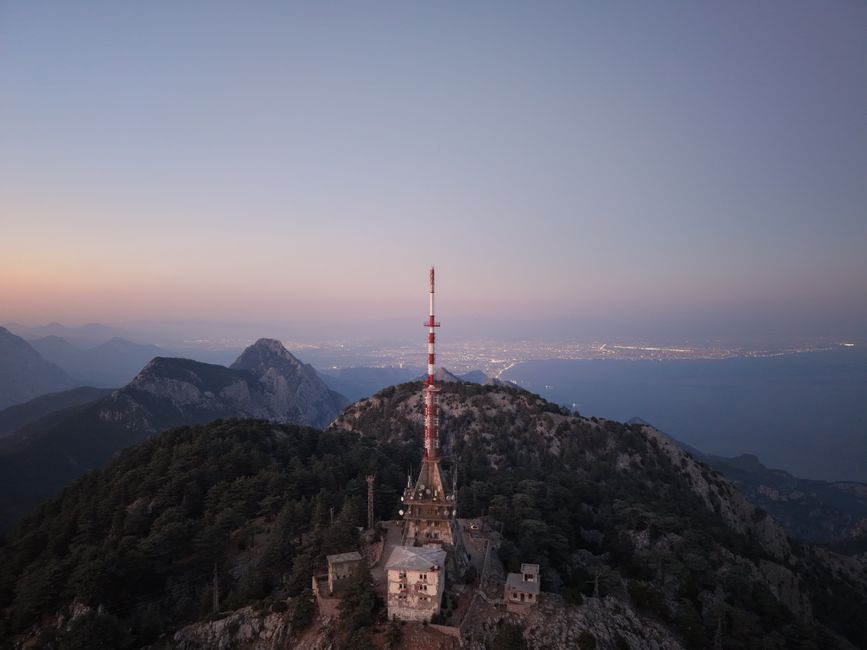
Late-night radio occupies a distinct position in the cultural life of American cities. While daytime programming tends to follow structured formats oriented toward commuting and office hours, the hours after midnight open space for experimental sequencing, genre-deep exploration, and direct conversation with listeners who are awake for reasons as varied as shift work, insomnia, creative practice, or simply preference. In cities with strong local music identities, these programs often become reference points that outlast individual hosts and shifting industry economics.
This survey looks at long-running late-night shows in cities such as Chicago and New Orleans, considering how their formats, curation methods, and community relationships continue to inform local music tastes and nightlife rhythms. The focus is on process and context rather than outcomes: how programs are assembled, how they relate to their cities, and what structural conditions allow them to persist. The examples discussed are illustrative rather than exhaustive, and the broader patterns vary by market, station ownership, and audience composition.
Understanding these programs requires attention to the institutional settings in which they operate, from university-licensed stations to community outlets and commercial frequencies. Each setting introduces different constraints and possibilities, and the resulting sound of a city at night is shaped by those conditions as much as by the taste of any single programmer.
The Persistent Role of Overnight Programming
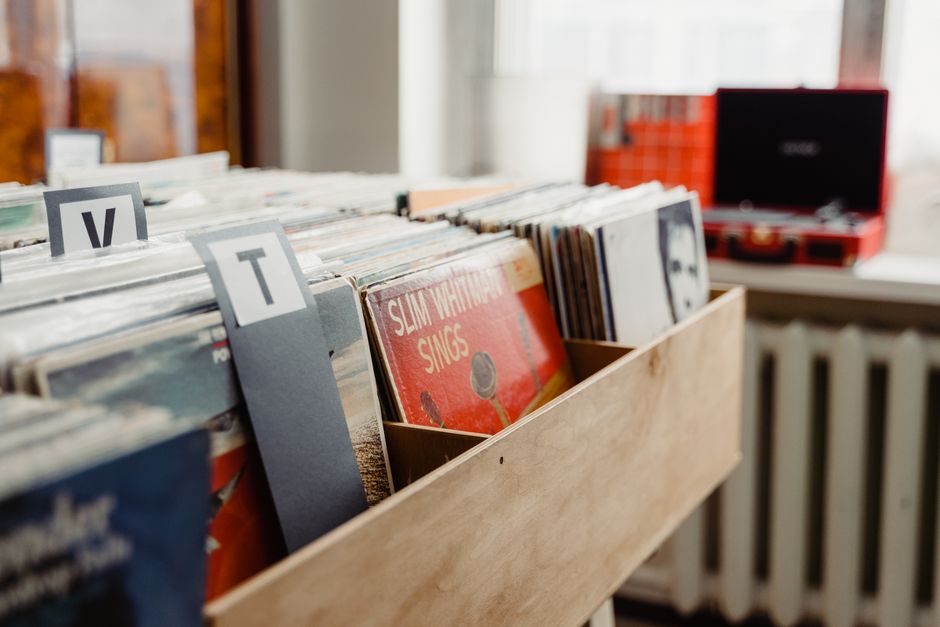
Overnight radio has historically served audiences that are poorly served by other media. Music discovery in these hours tends to be slower and more contextual, with hosts providing background on scenes, labels, and histories that rarely surface in peak-time playlists. The absence of ratings pressure in many overnight slots allows for longer sets, unusual segues, and the cultivation of a listening ritual that rewards attention over time.
From an industry perspective, overnight programming is often described as a low-cost means of maintaining continuous broadcast service while retaining a dedicated core audience. In practice, the value is cultural as much as operational. A program that consistently documents a local scene can function as an informal archive, preserving recordings and narratives that might otherwise be scattered across private collections. This archiving function is rarely formalized, yet it is frequently cited by musicians and listeners as a reason these shows matter.
The persistence of overnight programs also depends on scheduling stability and consistent host presence. Programs that change time slots frequently or rotate hosts tend to lose the accumulated familiarity that makes late-night listening meaningful. Consistency, in this context, is less about rigid repetition than about a recognizable voice and editorial sensibility that listeners can anticipate.
Chicago: Formats Built on Continuity
Chicago’s radio landscape has long been characterized by strong institutional stations with deep local ties. Late-night programming in the city often reflects the broader musical geography of the region, moving between blues, soul, house, jazz, and experimental electronic music in ways that mirror the city’s own listening habits. Long-running shows tend to be associated with hosts who have accumulated decades of relationships with musicians and venues, which in turn shapes what gets played and how it is contextualized.
A recurring feature of Chicago late-night radio is the deliberate bridging of generational audiences. Hosts may pair archival recordings with contemporary releases, drawing explicit connections between eras and scenes. This approach supports local musicians by situating their work within a lineage, and it gives longtime listeners a frame for understanding newer sounds. The method is editorial rather than prescriptive, and its effect depends on how receptive the audience is to that framing.
- Extended sets that allow for gradual shifts in tempo and genre.
- Guest appearances by local musicians, producers, and record shop owners.
- Regular segments that revisit historical recordings and regional labels.
- Listener interaction through requests and dedications, often used sparingly to preserve continuity.
These elements are not unique to Chicago, but their combination in the city’s late-night programming has contributed to a recognizable sound identity. Programmers describe their work as a form of civic documentation, though they are generally careful to avoid claiming direct influence on musical trends. The relationship is better understood as reciprocal: the city shapes the programming, and the programming reflects the city back to itself.
New Orleans: Rhythm, Community, and Continuity
New Orleans presents a different set of conditions. The city’s musical culture is closely tied to live performance and neighborhood institutions, and late-night radio frequently functions as an extension of that environment rather than a substitute for it. Programs often emphasize rhythm and repertoire—brass band traditions, funk, R&B, and jazz—while also acknowledging the seasonal and ceremonial rhythms that structure the local calendar.
Hosts in New Orleans tend to operate with a strong awareness of community expectations. Listeners include working musicians, venue staff, and residents whose nightly routines intersect with the broadcast. As a result, programming choices are often discussed in terms of appropriateness and respect for local traditions, and hosts frequently credit musicians by name and context. This practice supports a sense of shared ownership over the city’s sound.
The infrastructure supporting these programs varies. Some are tied to university stations with educational mandates, while others operate through community licenses or nonprofit organizations. In each case, the sustainability of the show depends on a mix of volunteer labor, modest underwriting, and institutional commitment. When those conditions change, programs may adapt formats or reduce hours rather than disappear entirely.
Curation as a Method
Across both cities, late-night shows share a methodological orientation that distinguishes them from algorithmic playlist services. Curation in this setting is sequential and contextual: each selection is placed in relation to what came before and what will follow, and the host’s commentary provides a frame that a playlist cannot. This sequential logic encourages longer listening sessions and supports the discovery of music through adjacency rather than search.
Programmers describe several practical considerations that shape their choices. These include licensing and rights management, the availability of physical and digital libraries, the need to balance familiar material with unfamiliar recordings, and the practical constraints of a live broadcast. Listener feedback arrives through calls, messages, and community conversation, and its influence varies widely depending on the host’s approach and the station’s culture.
Late-night radio is often described by practitioners as a form of public practice—less a product than an ongoing conversation with a city about what it sounds like.
This conversational quality helps explain why these programs remain relevant even as listening habits fragment across platforms. The format allows for a kind of continuity that streaming services are not designed to provide, and it creates a shared temporal experience for listeners who may be physically dispersed across a city.
Economic and Institutional Conditions
The durability of late-night shows depends on structural factors that are often invisible to listeners. Station ownership models, licensing arrangements, fundraising cycles, and volunteer recruitment all affect whether a program can continue. University-licensed stations may provide stability through institutional budgets, while community stations rely more heavily on member support and local underwriting. Commercial stations may treat overnight programming as a scheduling necessity rather than a cultural priority.
Technology has also changed the production process. Digital libraries, remote contribution tools, and archival digitization have made it easier to prepare and preserve programming, while also introducing new questions about rights and access. Some programs now maintain online archives that extend their reach beyond the broadcast footprint, though hosts note that the live listening experience remains central to the format’s identity.
None of these conditions guarantee longevity, and the landscape is subject to change as stations reassess their schedules. What remains consistent is the role these programs play in reflecting and organizing local musical life during hours when much of the city is quiet. For listeners and musicians alike, the value is tied to continuity and presence rather than measurable impact, and that distinction is central to how the format is understood by those who produce it.